When Kroger Says No to a Price Increase
A photo like this one is worth more than a paragraph of speculation. Empty shelf tags where Red Bull should be, and a store sign that reads, in part, that the item is out of stock while the store works with suppliers to keep prices affordable. That is not a rumor. That is Kroger telling its own shoppers, in its own words, what is going on.
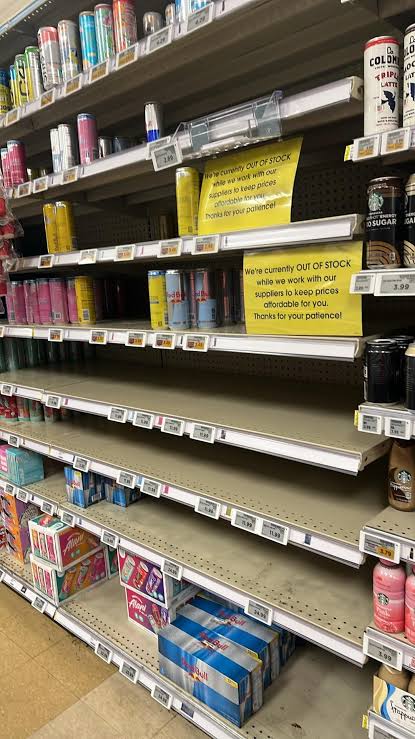 A Kroger shelf tag explaining the Red Bull gap to shoppers.
What We Actually Know
Kroger and Red Bull are working through a pricing disagreement, and it is showing up on shelf. That much is public and confirmed by Kroger's own signage. Beyond that, the specifics of what either side is asking for have not been made public by either company, and this post is not going to guess at numbers or terms that have not been confirmed. What matters for the rest of us is not the exact ask. It is what Kroger is willing to let happen on shelf while the two sides sort it out.
Why This Is Worth Every Vendor's Attention
Kroger has been public about wanting to protect pricing for its shopper base, especially with input costs climbing across the store. A gap on shelf for a brand with the recognition and velocity of Red Bull is not a small thing to let happen. It tells you Kroger is comfortable letting a visible disruption play out in front of shoppers rather than simply accepting a number it does not want.
Category Managers and merchandising leadership across every category are watching how this resolves, the same as the rest of the industry. However it plays out will shape the tone of the next cost increase conversation for a lot of brands that have nothing to do with energy drinks.
This Has Happened Before
This is not the first time Kroger has drawn this kind of line with a supplier over pricing, and it will not be the last. Kroger has let items thin out or disappear before rather than accept cost or margin terms it did not want, even on brands shoppers considered staples. Shelf space is not sentimental. When a brand and Kroger cannot land on a number, Kroger has shown more than once that it will let the item go rather than take a hit it does not want to take.
And the shelf does not stay empty. A private label item, a competitor, or another item already in the category fills the space, often within a reset cycle or two. Once that happens, getting back in is a much harder conversation than the one you were originally trying to avoid.
What This Means If You Are Planning a Cost Increase
Manufacturers absolutely have moments where they need to take cost. Nobody in this business would argue otherwise, and Kroger knows it too. The issue is not whether you take an increase. The issue is how you walk in when you ask for one.
|
Before you take a cost increase to your Category Manager • Freight alone is a weak reason to ask for a cost increase, Kroger has heard that one before • "We have not taken cost in years" is not a justification either, that is your internal timeline, not their problem • Build the story with your broker partner before the number goes to Kroger, not after • Know your real leverage, and be honest with yourself about how much of it you actually have • Have a plan for what you do if the answer is no, because a gap on shelf is a real possibility, not a scare tactic |
The Bigger Lesson
Kroger is one of the largest customers most CPG suppliers will ever have across its 22 divisions, and that leverage runs one direction more often than brands like to admit. That does not mean you roll over on every cost increase you are entitled to take. It means you show up prepared, with the data your Category Manager needs to defend you internally, and with a real answer for what happens to your business if Kroger says no.
When Kroger says no to a price increase, the burden of proof is on you, not them.
|
Want more posts like this in your inbox? Visit cincinnaticpgedge.com and subscribe. Subscribe |
Member discussion